




Foreign policy feels far away until it reaches the gas pump. Then it becomes a household question.
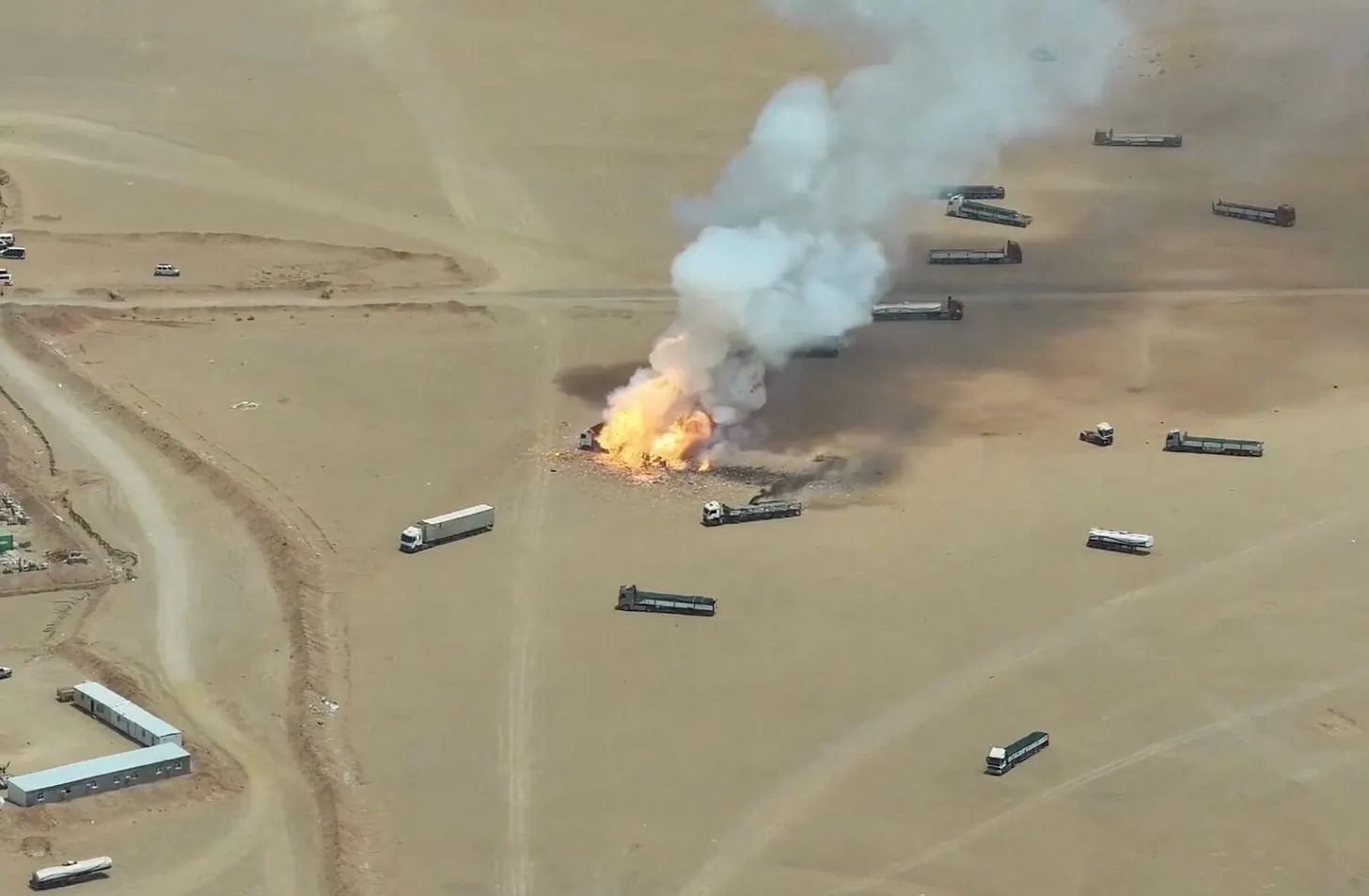
The Iran war is appearing in Americans’ gas and grocery bills, in family budgets, and on the public balance sheet. As the conflict disrupted energy markets, the national average price of gasoline rose by roughly $1.06 per gallon, or 36 percent, while 55 percent of Americans reported a financial impact from higher gas prices, according to Reuters. The impact is felt in the cost of getting to work, moving food across the country, running a small business, or filling a delivery truck. CNN reports that the war in Iran has increased the cost of a mortgage, along with car and credit card loans for Americans. The war has become an affordability event.
As a result, candidates for office now have an opportunity: not to ask voters to choose peace instead of strength, but to choose prevention as one of the smartest and strongest things a government can do.
This is the idea behind the Two Penny Pledge, which asks Congress to dedicate two percent of the federal budget to diplomacy, development, and humanitarian assistance in the Fiscal Year 2028 appropriations bills. One penny would strengthen the programs that form the backbone of American international leadership. The second cent would prepare the country for threats that become more expensive when addressed too late: epidemics, refugee crises, climate disruption, terrorism, geopolitical competition, and the collapse of fragile states.
Two pennies for peace is not a slogan about being nice to the world. It is a proposition about making Americans safer at a lower cost.
Americans have been told for years that foreign aid consumes an enormous share of the federal budget. It does not. Historically, foreign assistance has represented roughly one percent of federal spending, a finding by the Pew Research Center. The political assumption that Americans do not care about diplomacy is also increasingly out of date. As an Echelon Insights survey by the Rockefeller Foundation this summer revealed, support for foreign aid rose from 54 percent to 70 percent after respondents learned more about what the programs do. Eight in ten support reforming and strengthening aid with better safeguards rather than eliminating it. Support reached 90 percent for humanitarian relief and preventing disease outbreaks, 81 percent for economic development, and 78 percent for peacekeeping and conflict resolution. Seventy percent support setting foreign aid at two percent of the federal budget including 49 percent of Republicans and Republican-leaning voters.
The Two Penny Pledge gives candidates more than a policy proposal. It offers language for connecting the world’s crises to the lives of voters at home. It reminds Americans that the price of war shows up in gas prices. It states that an epidemic prevented abroad is an American crisis avoided. It acknowledges that a stable partner is less expensive than a collapsed state. It says that American farmers, workers, exporters, and families benefit when the country builds relationships instead of abandoning them. It stands on the premise that strength means having more than one instrument available before the sirens start.
Most of all, it says that peace is not passive. Peace is built. It is funded. It is defended by people who understand that the cheapest war is the one prevented before it begins. Politicians should run on that.
Two pennies for peace is not asking voters to care less about security. It is asking them to care about security before the bill arrives.
The views expressed in this piece are those of the author and do not necessarily represent the position of the Alliance 4 American Leadership (A4AL) alone. Alliance 4 American Leadership would like to acknowledge the many generous supporters who make our work possible.


Stay Updated
Become a member to learn about our impact, events, and how to get involved.