




Until it was unceremoniously closed last year, the average U.S. taxpayer contributed just $36 a year to USAID.
Foreign aid has long been the neglected stepchild of U.S. policy. From the late 1940s until 2025, it has been misunderstood and underappreciated even while it played a critical role in our global success. It’s saved millions of lives, improved our relations with developing countries, and built markets for American products. With the 2026 midterm elections less than six months away, and global health crises growing, debunking these myths and clarifying foreign aid’s true value is more important than ever.
Today’s post breaks down some of the most prevalent misinformation about USAID and other foreign aid programs, and sets the record straight.
____
Myth #1: Foreign aid is a huge part of the federal budget.
Reality: The federal government spent less than 1% of its budget on foreign aid.
On average, polled Americans believe the government spends about 25% of its federal budget on foreign aid. Historically, that figure was just under 1%. That figure plummeted even further last year, when Elon Musk’s DOGE initiative shuttered USAID along with most other foreign aid programs.
____
Myth #2: Foreign aid is largely food, shelter, and rescue operations.
Reality: Humanitarian aid is just one part of foreign aid, and is not enough on its own.
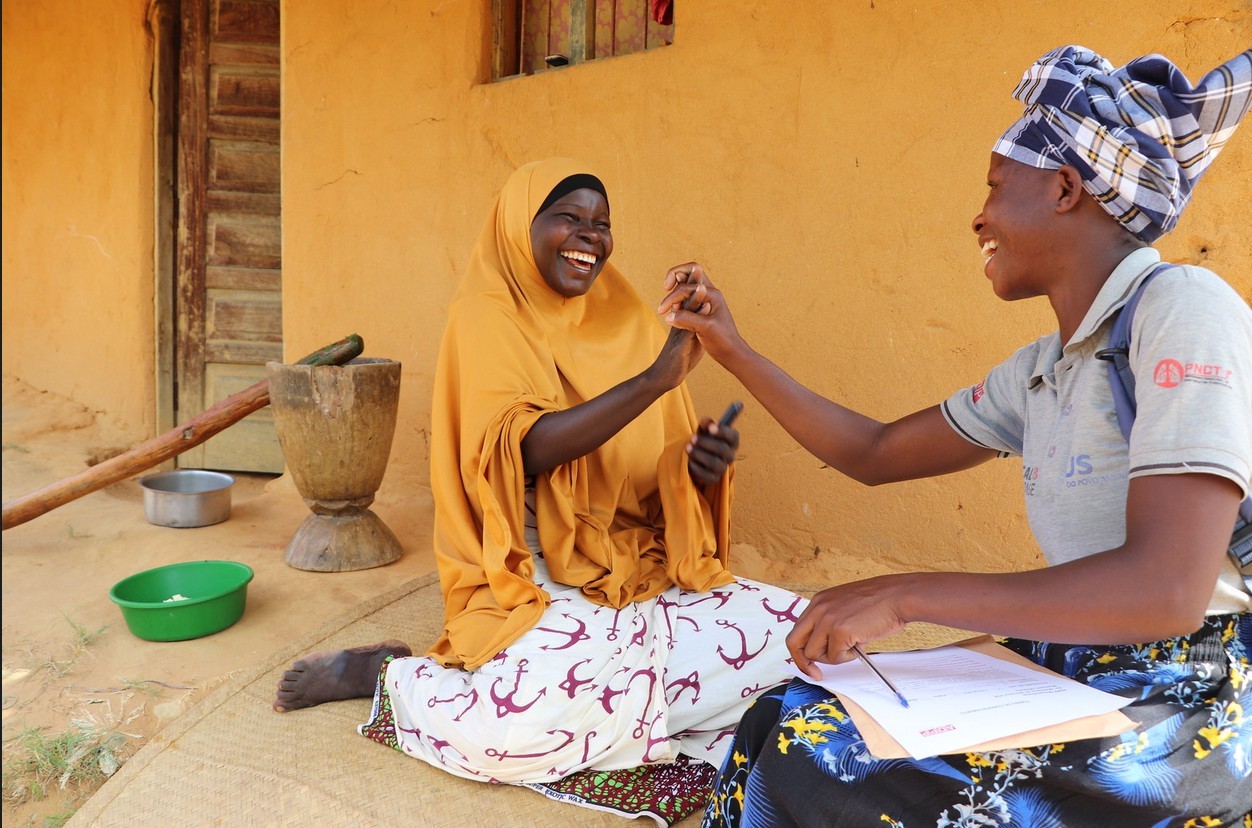
Humanitarian aid—deliveries of emergency food, shelter, and medical care to refugees, famine victims, and other people in dire need—gets the most media coverage. This aid is crucial, but it made up only about one quarter of all U.S. foreign aid. Equally important are development assistance dollars, which help communities, cities, and countries build stable economic, social, and political infrastructure and institutions, and security funding to help a region’s military, police, or security forces keep a country safe and stable. USAID also helped recipient nations fight crime, reduce the spread of dangerous diseases like the current Ebola outbreak, and reduce greenhouse gas emissions.
These forms of foreign aid have seen the deepest cuts. While humanitarian aid helps in the short term, development assistance and security funding are equally crucial for helping countries grow, develop, and thrive--while also reducing the need for humanitarian aid in the future.
____
Myth #3: Foreign aid is a partisan issue.
Reality: Until 2025, foreign aid was a nonpartisan, widely popular issue counting Republicans as some of its strongest supporters.
From the end of World War II until last year, USAID and foreign aid in general enjoyed strong support from both parties in the White House and in Congress. Republicans, citing the benefits of foreign aid in building support abroad for the United States, as well as our efforts to promote democracy and enable future trade with the U.S., were often some of its most vocal champions. President Eisenhower, a Republican, launched the organization that would become USAID in the 1950s. President George W. Bush launched the United States President’s Emergency Plan For AIDS Relief (PEPFAR), which has saved an estimated 25 million lives since its creation in 2003.
____
Myth #4: Foreign aid is a selfless act of charity.
Reality: Foreign aid makes our country safer, more popular, and better off.
For better or worse, most people still view foreign aid as merely charity. The architects of USAID, and its biggest supporters, saw it differently. They saw foreign aid as one of the most effective public relations tools available for spreading democracy and promoting the interests of the United States on the global stage. Humanitarian aid, development assistance, and security funding made more countries in Asia, Latin America, and Africa friendlier to the United States and reduced the influence of China, the Soviet Union, and later Russia. Countries that became more stable and secure thanks to assistance from the United States became markets for our exports, and sources of cheap imports.
Foreign aid is also directly responsible for some of the greatest global advancements of the past eighty years. Europe was able to become stable, prosperous, and a major U.S. ally and trading partner largely thanks to the Marshall Plan, a series of loans and recovery programs launched in the 1950s by the United States. In the 1960s, USAID helped pay for the Green Revolution, which produced new seeds, fertilizers, and farming techniques that boosted US agricultural production and headed off crop failures as it prevented famine in the developing world.
Myths about foreign aid may have enabled the cuts to USAID and other programs, but we believe that the truth about the benefits foreign aid offers the U.S. and all Americans will lead to a course correction. We simply cannot allow such cuts to foreign aid, and the resulting abdication of American soft power in the face of competition from rivals such as China, to continue. Learn more about what the Alliance for American Leadership is doing to fight for restoring foreign aid across the globe, and how you can join our mission.
The views expressed in this piece are those of the author and do not necessarily represent the position of the Alliance 4 American Leadership (A4AL) alone. Alliance 4 American Leadership would like to acknowledge the many generous supporters who make our work possible.
Recent Articles
Did You Know That the United States Spends Less Than 1% of Its Budget on Foreign Aid?
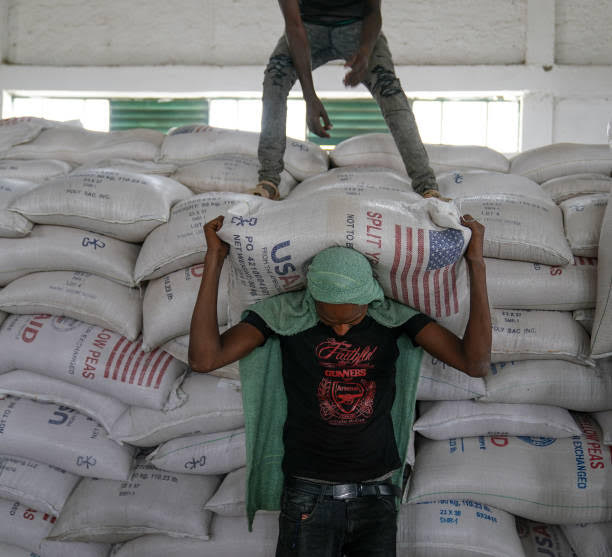
Waning Withdrawal: How U.S. Aid Cuts Are Undermining America's Future in Africa
Reviving USAID for US National Interest Takes Center Stage at Packed Event with Rep. James Walkinshaw
Republican and Democratic Members of Congress Celebrate USAID at Packed Penn State Event
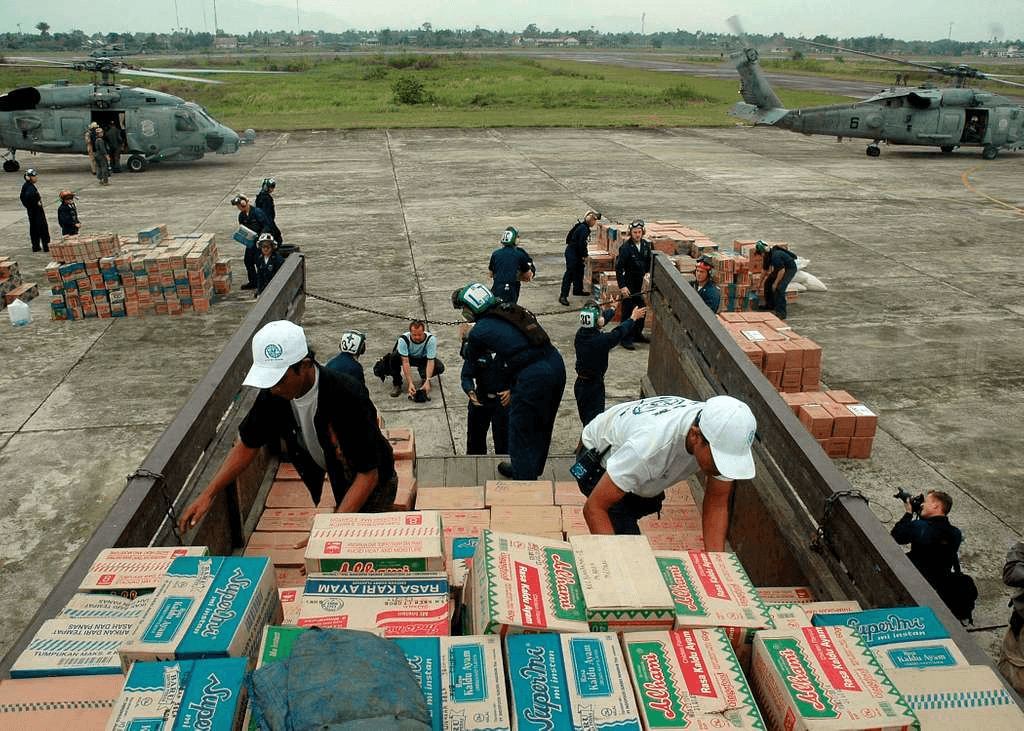
Consequences of US aid Withdrawal from ASEAN countries
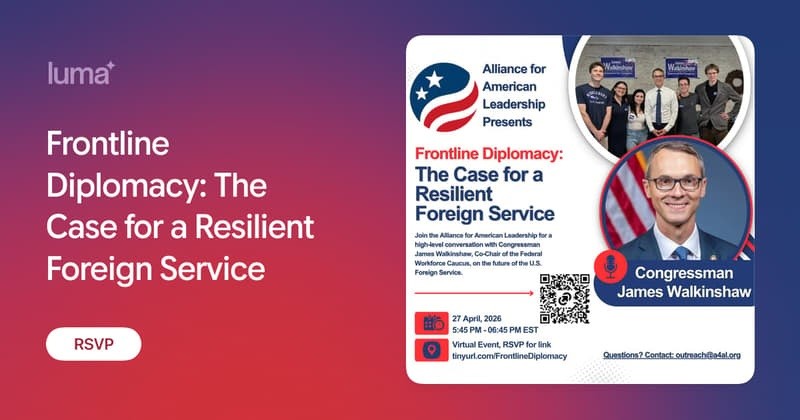
Frontline Diplomacy: The Case for a Resilient Foreign Service
Stay Updated
Become a member to learn about our impact, events, and how to get involved.